Fierce Pharma
Fierce Biotech
Fierce Healthcare
Fierce Life Sciences Events
Advertise
About Us
Providers
Hospitals
Practices
Retail
Health Tech
AI and Machine Learning
Digital Health
Telehealth
Payers
Regulatory
Finance
Special Reports
Fierce 50
Special Report
Awards Gala
Resources
Webinars
Fierce Events
Industry Events
Podcasts
Survey
Whitepapers
Events
Subscribe
Subscribe
Providers
Hospitals
Practices
Retail
Health Tech
AI and Machine Learning
Digital Health
Telehealth
Payers
Regulatory
Finance
Special Reports
Fierce 50
Special Report
Awards Gala
Resources
Webinars
Fierce Events
Industry Events
Podcasts
Survey
Whitepapers
Events
Subscribe
Fierce Pharma
Fierce Biotech
Fierce Healthcare
Fierce Life Sciences Events
Advertise
About Us
Hospitals
Payers
A look at Medicare's Chronic Care Management program
CCM reduced emergency room and in-patient hospital visits and lowered total health spending since launching in 2015, yet uptake has been sluggish.
Phil Galewitz and Holly K. Hacker, KFF News
Apr 18, 2024 1:08pm
Health systems ramp up AI partnerships to tackle doctor burnout
Apr 18, 2024 11:00am
30 health systems sign onto age-friendly care collaborative
Apr 18, 2024 10:07am
N.C. treasurer backs FTC's bid to block Novant-CHS hospital sale
Apr 17, 2024 9:45am
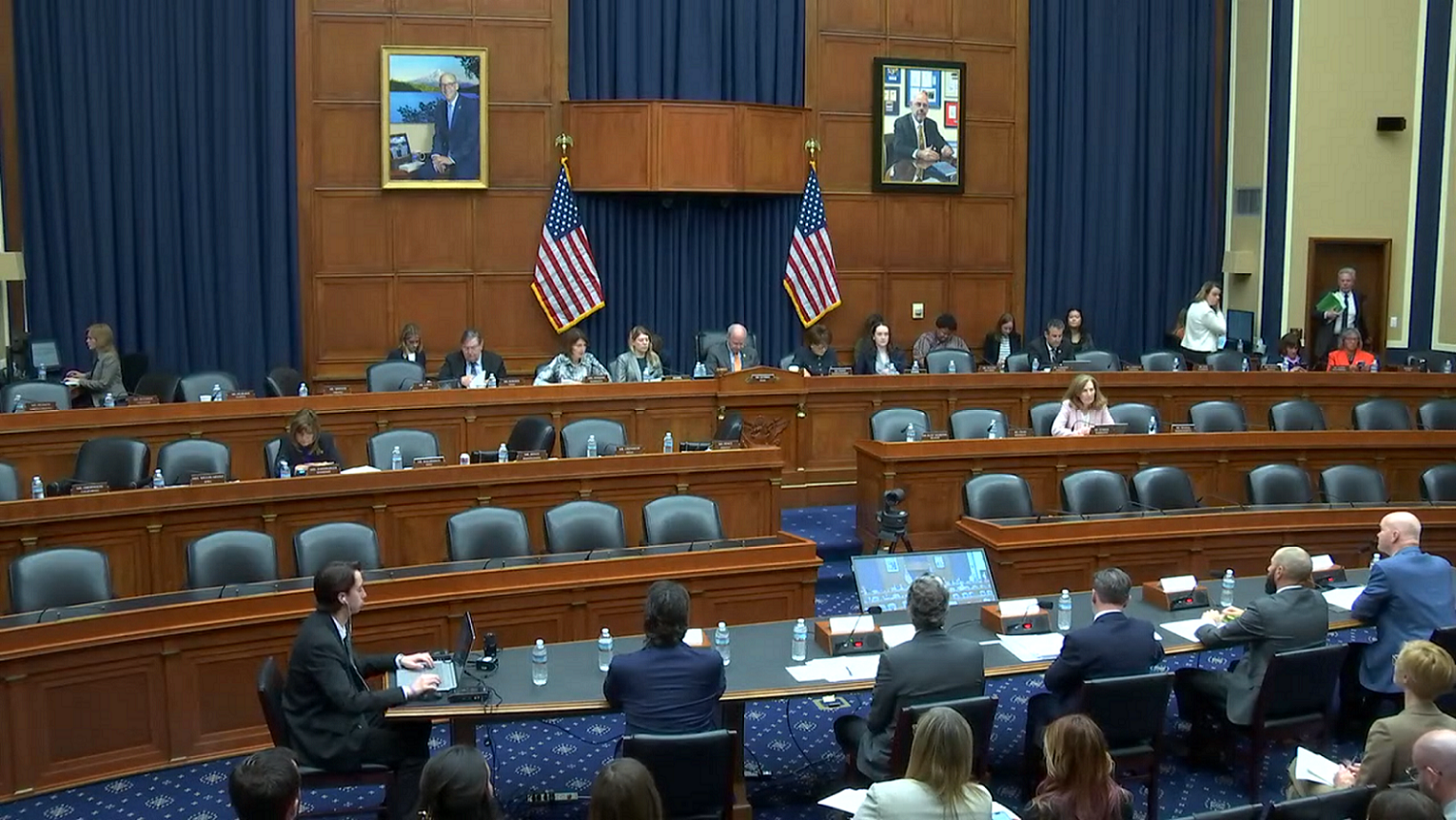
Providers pitch cybersecurity fixes to sympathetic Congress
Apr 16, 2024 4:09pm
Doc's 'inappropriate' record changes pause transplant programs
Apr 15, 2024 12:27pm