|
|
|
|
|
|
|
|
|
|
|
Hospital Impact has been ranked one of the top 50 healthcare blogs by Wikio.
Blogs we like:
by Nick Jacobs
Periodically, my life crashes into certain realities that did not seem to be even a consideration days earlier. For the past six months, my consulting has directed me toward a project that had been ruminating in my mind for over five years, and that project involved the networking of approximately 20 rural hospitals via dark fiber. The purpose of the network was to create a virtual health system that was not dominated by one super tertiary power, the normal system that typically takes the "Community" out of community health care.
During my explorations, a very savvy facilitator appeared on the scene that worked with a stable of consultants responsible for telemedicine efforts in military medicine, the originators of these technological advances. Through her, I began to learn about the unlimited possibilities represented by this connectivity, ranging from telepharmacy to telepsychiatry. Of course, as a virtual health system, all of the less subtle and far less challenging aspects of centralizing finance and billing also were on the table for consideration, and eventual implementation.
While having a somewhat naïve conversation with her, I asked:
"Besides saving money on pharmacists and psychiatrist in these little rural hospitals, are there any other applications?" This is when the bells began to ring. She very calmly explained to me that there are a variety of phases of telemedicine, and that generally, physicians have entered the field cautiously and conservatively. She went on to say that I should not forget about the radiologists who have doubled and tripled their incomes through teleradiology. They were the first to have embraced these technological advances.
Truthfully, our collection of little rural hospitals has spent about $21M a year for the teleradiology connectivity to Australia in order to meet overnight radiology reads.
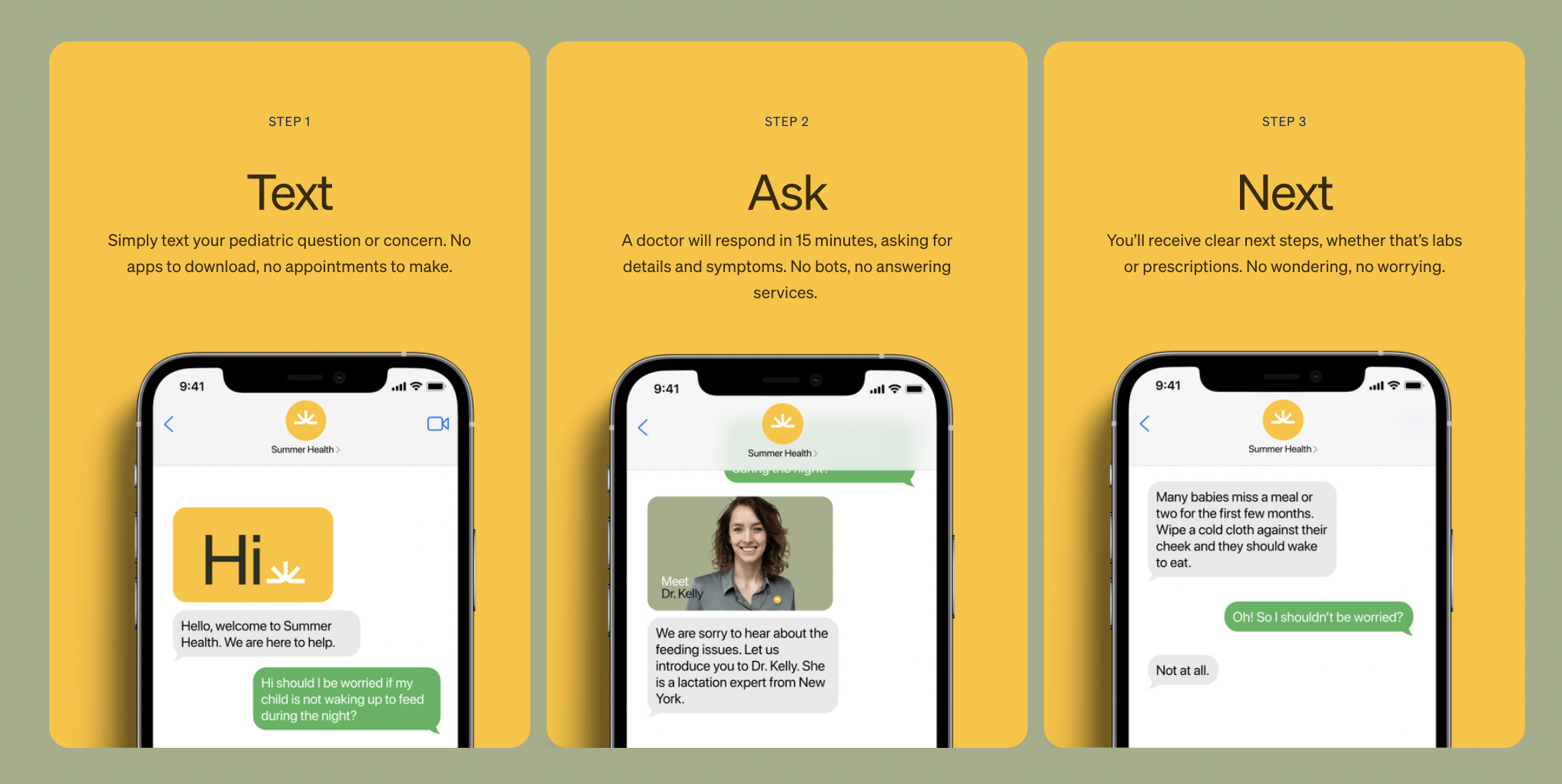
"So, what’s next?" I asked her. At that point the speed of her words increased as she began to explain the viability of web-based technology for cardiology, dermatology, oncology, pediatrics, et al. As I began to process all of the information, my mind began to whirl. Then I walked into the kitchen, opened my newspaper, and saw an article by Christopher Lawton of the Wall Street Journal. It was one of those "the future is now" articles entitled Cough, Cough. Is There A Doctor in the Mouse? It basically talked about the use of web services that allows patients to communicate with doctors via online video, text, chat or phone. Lawton describes the technology available to physicians via Microsoft Corp’s HealthVault, where diagnosis and even the prescribing of medication can take place over the web. The article goes on to describe patient payments ranging from $10 to $40 for web doctor visits in Hawaii, and a similar service, SwiftMD, that is currently available in New York and New Jersey. Finally, in Dallas, TelaDoc allows online and phone consultations with physicians.
So, it appears that indeed, the future is here. Let your imagination run wild.